Used Engines & Automotive Advice
Buying a Used Engine? 9 Essential Checks Before You Buy
Nov
Buying a used engine can be a practical way to get your vehicle back on the road without paying the price of a brand-new replacement. However, choosing the wrong engine can lead to compatibility problems, unexpected repair costs, and installation delays. Before spending your money, it is important to understand what you are purchasing and whether it suits your vehicle.
At Auto Genuine Spare Parts, we understand that finding the right replacement engine requires careful research. Whether you drive a Ford, Chevrolet, GMC, Dodge, Toyota, or another vehicle, these nine checks can help you make a more informed decision when buying a used engine.
1. Confirm the Engine Fits Your Vehicle
The first step when buying a used engine is confirming compatibility with your vehicle. Engines that look similar may have different specifications, mounting points, electronics, or internal components.
Check your vehicle’s:
- Make, model, and model year.
- Engine size and configuration.
- VIN (Vehicle Identification Number).
- Engine code and, where available, the original engine part number.
- Transmission and drivetrain configuration.
For example, two trucks from the same model year may use different engines depending on trim level, fuel type, or production specifications. A replacement that physically fits may still require incompatible wiring, sensors, or engine control modules.
Ask the seller to confirm the engine’s donor vehicle and identification details. If you are uncertain, consult a qualified mechanic or parts specialist before ordering. Correct fitment can save you from costly returns and unnecessary installation work.
2. Check the Engine’s Mileage and History
Mileage can help you assess a used engine, but it should not be the only factor in your decision. An engine with higher mileage that received regular maintenance may be in better condition than a lower-mileage engine that was neglected.
When buying a used engine, ask the seller:
- How many miles or kilometres the engine has covered.
- Which vehicle it came from.
- Why the donor vehicle was dismantled.
- Whether the engine was running before removal.
- Whether service or maintenance records are available.
- Whether the engine has been stored properly since removal.
A seller may not have complete records, particularly for older vehicles. In that case, ask what information can be verified and what remains unknown.
Do not assume that a low mileage claim guarantees good condition. Supporting documentation and inspection results are more useful than mileage alone.
3. Inspect the Engine’s Overall Condition
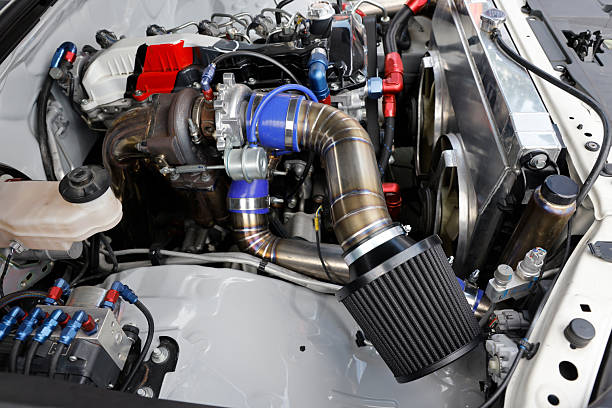
Whenever possible, inspect the engine in person or request clear, recent photographs of the actual unit. Look for signs of damage, corrosion, poor storage, or previous repairs.
Pay attention to the following:
Oil leaks and residue: Heavy oil deposits around seals, the oil pan, or the cylinder head may indicate leaks or maintenance issues. Some residue may be old, so further inspection is necessary.
Coolant contamination: Milky oil or unusual residue may indicate coolant mixing with oil, although appearance alone cannot confirm the cause.
Rust and corrosion: Surface rust on external components may be manageable, but significant corrosion or water damage deserves closer investigation.
Damaged components: Check connectors, brackets, hoses, pulleys, and accessible wiring for damage or missing parts.
Signs of disassembly: Missing bolts, mismatched components, or evidence of poorly completed repairs may warrant additional questions.
An external inspection cannot reveal every internal problem. If the engine is expensive or its condition is uncertain, arrange for a qualified professional to assess it before purchase.
4. Ask Whether the Engine Has Been Tested
Testing provides stronger evidence of an engine’s condition than photographs alone. Ask the seller which tests were performed and whether the results are available.
Depending on the engine and its accessibility, useful checks may include:
- Compression testing: Helps assess cylinder sealing and identify significant differences between cylinders.
- Leak-down testing: Can help identify leakage past valves, piston rings, or other sealing points.
- Oil inspection: May reveal unusual contamination or metal particles that require investigation.
- Diagnostic checks: If the engine can be run or electronically tested, fault codes and operating data may provide useful information.
- Running test: When possible, a documented running test can provide evidence of operation before removal.
Not every used engine can be tested while it is out of the vehicle. If testing was not possible, ask the seller to explain why and clarify what assurances are offered instead.
No single test guarantees that an engine is fault-free. Results should be interpreted alongside the engine’s history, visible condition, and manufacturer specifications.
For additional guidance on engine maintenance and vehicle specifications, consult the official Ford Owner Manuals and Support. Always verify that the information applies to your specific vehicle and engine before making repair or replacement decisions.
5. Verify the Engine Code and Specifications
Engine displacement alone is not enough to confirm that a replacement is suitable. Engines of the same size may have different codes, internal designs, fuel systems, emissions equipment, or electronic controls.
Before buying a used engine, verify its engine code and compare it with the requirements for your specific vehicle. Check whether the replacement is an exact match or whether it requires additional compatible components.
Depending on the application, you may need to confirm:
- Fuel type and injection system.
- Cylinder configuration and displacement.
- Intake and exhaust arrangements.
- Sensor locations and electrical connections.
- Engine mounts and accessory brackets.
- Emissions equipment and control-system compatibility.
Some replacements may be possible across related model years, but compatibility should never be assumed. Confirm the details using reliable parts information or professional guidance.
This step is particularly important for modern vehicles, where an engine swap may involve electronic programming, immobilizer systems, or emissions-related components.
6. Understand What Is Included in the Sale
A used engine listing may describe a complete assembly, a long block, or a more basic engine unit. These descriptions can mean different things depending on the seller, so ask for an exact list of included components.
Confirm whether the sale includes items such as:
- Cylinder head and engine block.
- Intake and exhaust manifolds.
- Fuel injectors or fuel-system components.
- Alternator and other accessories.
- Turbocharger, if applicable.
- Sensors, wiring, and engine control components.
- Starter motor, brackets, and mounting hardware.
Some engines are sold without accessories that must be transferred from the original engine. Others may include components that are unsuitable for your vehicle configuration.
Ask the seller to identify missing, damaged, or untested parts in writing. Understanding what is included helps you calculate the actual cost of the replacement and avoid surprises during installation.
7. Review the Warranty and Return Policy
Warranty coverage is an important consideration when buying a used engine. Some sellers provide limited coverage, while others sell engines with no warranty or offer coverage only under specific conditions.
Before paying, confirm:
- The length of the warranty.
- Which engine components are covered.
- Whether labour and removal costs are excluded.
- Whether installation must be completed by a qualified shop.
- Whether pre-installation testing is required.
- The process for reporting a fault or requesting a return.
- Who pays shipping for a return or replacement.
Read the terms carefully instead of relying on a general statement that the engine is guaranteed. A warranty may require installation within a specified period or documentation from the mechanic.
Keep your invoice, product description, serial or identification details, photographs, and any test results. Written documentation can help resolve disagreements if the engine does not meet the seller’s stated condition.
8. Calculate the Total Replacement Cost
The advertised price is only one part of the total cost of buying a used engine. Before making your decision, estimate the expenses required to get the replacement installed and operating correctly.
Your budget may need to include:
- Engine purchase price.
- Shipping, freight, or collection costs.
- Removal of the existing engine.
- Installation labour.
- Fluids, filters, seals, belts, and other service items.
- Replacement of worn accessories or related components.
- Diagnostic work, programming, or calibration.
- Disposal of the old engine.
Ask a qualified mechanic to inspect the vehicle and prepare an estimate before ordering. This can help determine whether an engine replacement is financially sensible compared with repairing the existing unit.
Compare sellers using the same criteria: compatibility, condition, testing, included components, warranty, and delivery costs. The cheapest listing may not provide the best overall value if it requires extensive additional work.
9. Choose a Seller Who Provides Clear Information
A trustworthy seller should be willing to explain the engine’s condition, identify its source when known, clarify what is included, and answer reasonable compatibility questions.
Before purchasing, look for clear product descriptions, accurate photographs, transparent pricing, written warranty terms, and an accessible way to contact the seller.
Be cautious if a seller refuses to provide basic identification details, pressures you to pay immediately, makes unsupported claims about condition, or cannot explain the return process.
At Auto Genuine Spare Parts, you can explore available components through our online parts shop. Review each listing carefully and confirm the engine’s specifications before placing an order.
If you need clarification about a product, use our Contact Us page to ask questions before purchasing.
Common Mistakes to Avoid When Buying a Used Engine
Even careful buyers can overlook important details. Avoid these common mistakes:
Choosing by price alone: A low price does not establish that an engine is suitable or dependable.
Ignoring compatibility: Similar engine sizes do not necessarily mean matching specifications.
Accepting unverified mileage: Ask for supporting information and consider the engine’s overall condition.
Skipping testing and inspection: Photographs cannot confirm internal engine health.
Overlooking missing components: An engine that excludes important accessories may require additional purchases.
Ignoring warranty conditions: Understand the coverage, exclusions, and return requirements before paying.
Taking time to verify these details can help reduce uncertainty and make the purchasing process more manageable.
Frequently Asked Questions About Buying a Used Engine
Is buying a used engine worth it?
It can be worthwhile when the replacement is compatible, its condition is reasonably documented, and the total installed cost makes sense for the vehicle. Compare the engine price, installation expenses, warranty, and potential additional repairs before deciding.
How many miles is too many for a used engine?
There is no universal mileage limit. Engine design, maintenance, operating conditions, service history, and test results all affect its condition. Evaluate the available evidence rather than relying on mileage alone.
Should I test a used engine before installation?
Whenever practical, yes. Compression or leak-down testing, oil inspection, and other appropriate checks can reveal potential problems. Ask a qualified mechanic which tests are suitable for the specific engine.
Can I install a used engine from a different model year?
Sometimes, but compatibility depends on the engine code, vehicle configuration, electronics, emissions requirements, and mounting arrangements. Verify the application with reliable parts information or a qualified specialist before purchasing.
What should a used engine warranty cover?
Coverage varies by seller. Review which components are covered, the warranty period, installation requirements, exclusions, and whether labour or shipping expenses are included.
Final Thoughts: Buy a Used Engine With Confidence
Buying a used engine requires more than finding an attractive price. Confirm vehicle compatibility, investigate the engine’s history, inspect its condition, review test results, verify included components, and understand the warranty before committing.
A careful comparison can help you avoid preventable expenses and choose a replacement that suits your vehicle and budget. Take your time, ask questions, and seek professional advice whenever the engine’s condition or compatibility is uncertain.
Explore the available options at Auto Genuine Spare Parts and confirm the details of your chosen engine before making your next purchase.
