Auto Parts Blog: Your Guide to Smarter Vehicle Maintenance
Welcome to our auto parts blog, your resource for learning about automotive components, vehicle maintenance, replacement parts, and practical tips for keeping your car or truck in good condition. Understanding how vehicle parts work can help you make informed decisions when repairs or replacements become necessary. Whether you drive a passenger car, pickup truck, SUV, or work vehicle, our goal is to make automotive information easier to understand.
Our articles cover common replacement parts, product features, basic maintenance practices, and considerations to keep in mind when shopping for automotive components. We aim to help drivers, mechanics, repair shops, and vehicle enthusiasts find useful information before choosing parts for their vehicles.
Why Our Auto Parts Blog Matters
Vehicle ownership involves regular maintenance and occasional repairs. Learning about the components that keep your vehicle running can help you recognize maintenance needs, discuss repairs with a mechanic, and understand the differences between available replacement options.
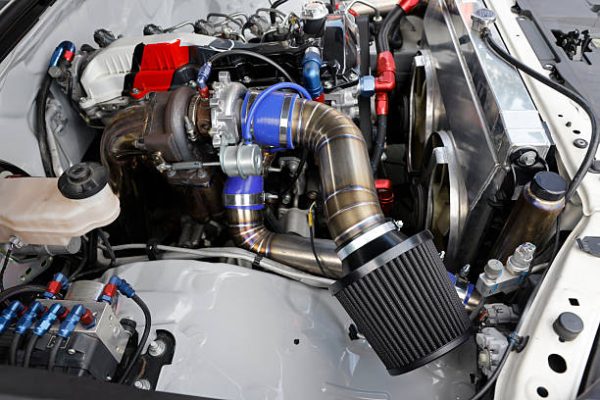
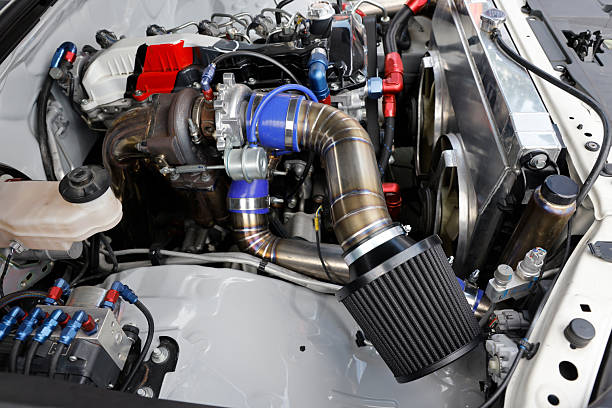
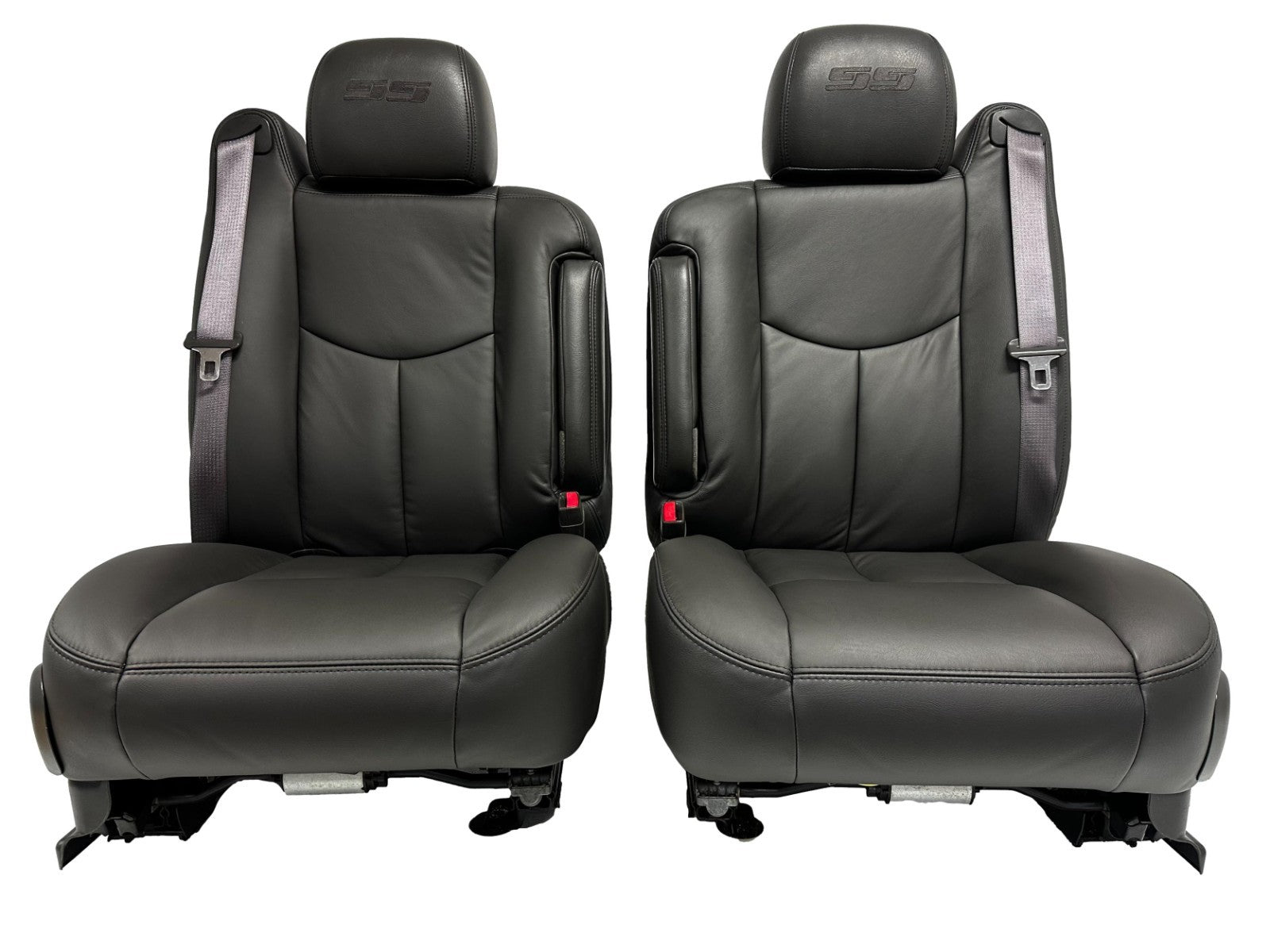
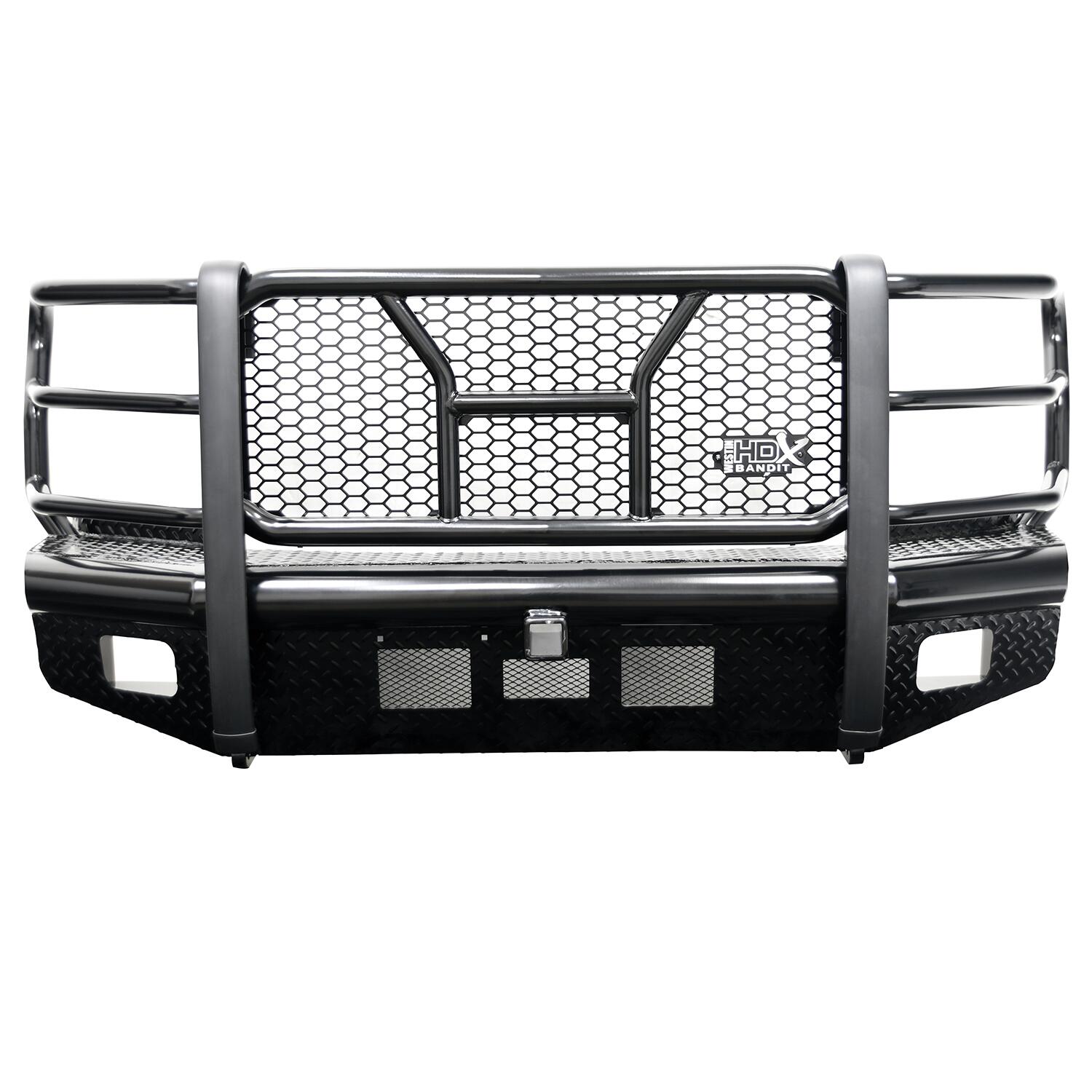
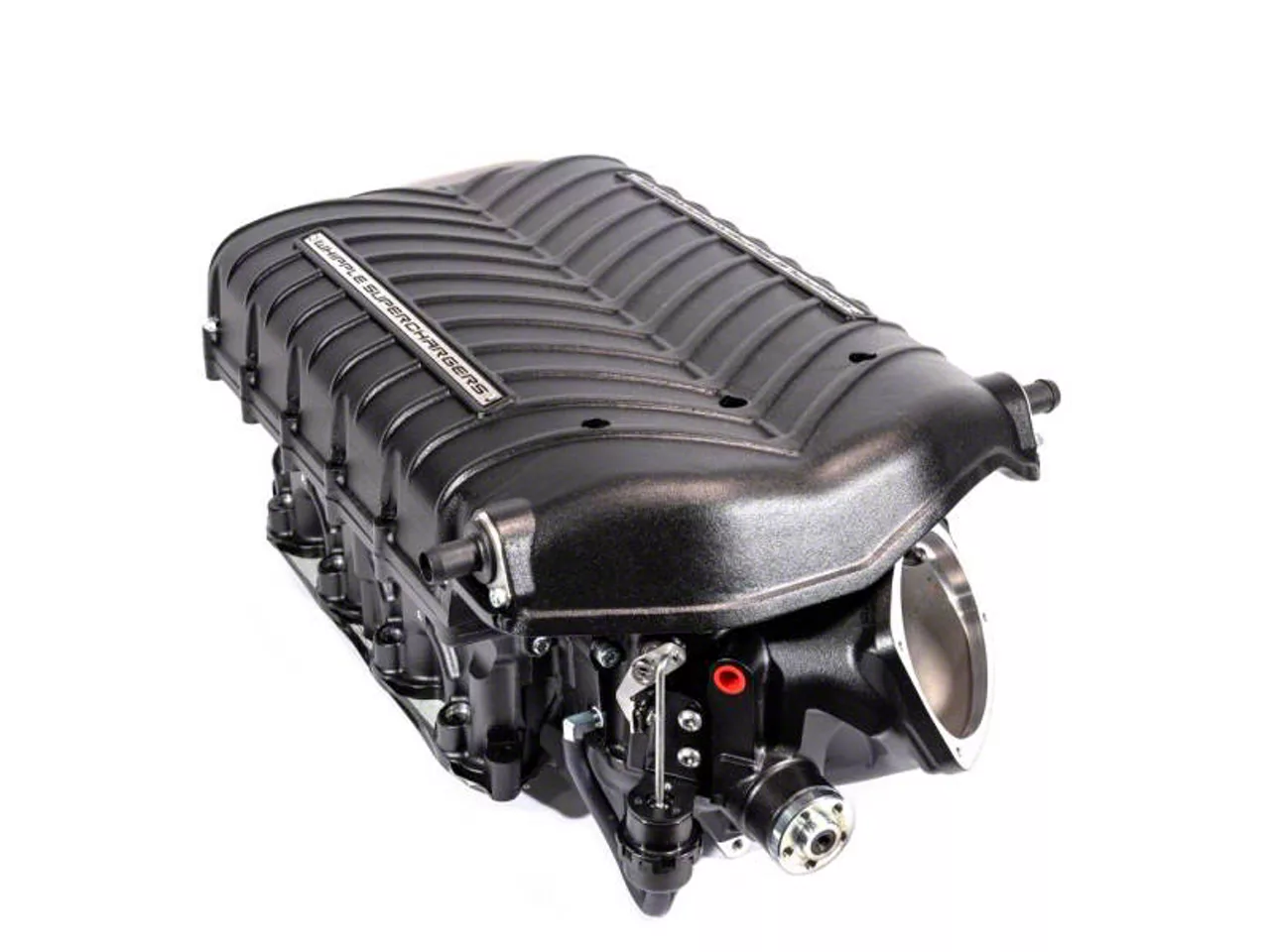
Our auto parts blog explores topics such as engine components, braking systems, suspension parts, lighting, body panels, truck accessories, and other automotive products. Each topic offers an opportunity to learn what a component does, why compatibility matters, and what information to check before making a purchase.
Learn About Automotive Components
Every vehicle relies on several systems that work together. The engine produces power, the transmission transfers that power, the braking system helps slow the vehicle, and the suspension supports handling and ride comfort. Exterior components, mirrors, lighting, and body panels also contribute to a vehicle’s function and appearance.
Learning the purpose of these parts can help you understand repair recommendations and communicate more clearly when searching for a replacement component.
Understand Vehicle Compatibility
Choosing the correct replacement part is essential. Two vehicles that look similar may use different components depending on their model year, trim level, engine, drivetrain, or production configuration. Before ordering, check the year, make, model, engine details, and any relevant part numbers.
When available, compare the original equipment number with the replacement part information. If you are uncertain about fitment, consult a qualified mechanic or contact the seller with your vehicle details before purchasing.

. If you need help with a product or vehicle fitment, visit our [Contact Us page](https://autogenuinespareparts.com/contact-us/). ## Final Thoughts Finding the right auto parts starts with accurate vehicle information and careful product research. Check part numbers, verify compatibility, compare product condition, and review installation requirements before making a purchase. Use these seven tips to make more informed decisions when shopping for replacement car parts, truck components, and automotive accessories.](https://autogenuinespareparts.com/wp-content/uploads/2026/10/pexels-introspectivedsgn-5182307-1200x800.jpg "How to Choose the Right Auto Parts: 7 Essential Tips")




. If you need help with a product or vehicle fitment, visit our [Contact Us page](https://autogenuinespareparts.com/contact-us/). ## Final Thoughts Finding the right auto parts starts with accurate vehicle information and careful product research. Check part numbers, verify compatibility, compare product condition, and review installation requirements before making a purchase. Use these seven tips to make more informed decisions when shopping for replacement car parts, truck components, and automotive accessories.](https://autogenuinespareparts.com/wp-content/uploads/2026/10/pexels-introspectivedsgn-5182307-600x400.jpg "How to Choose the Right Auto Parts: 7 Essential Tips")